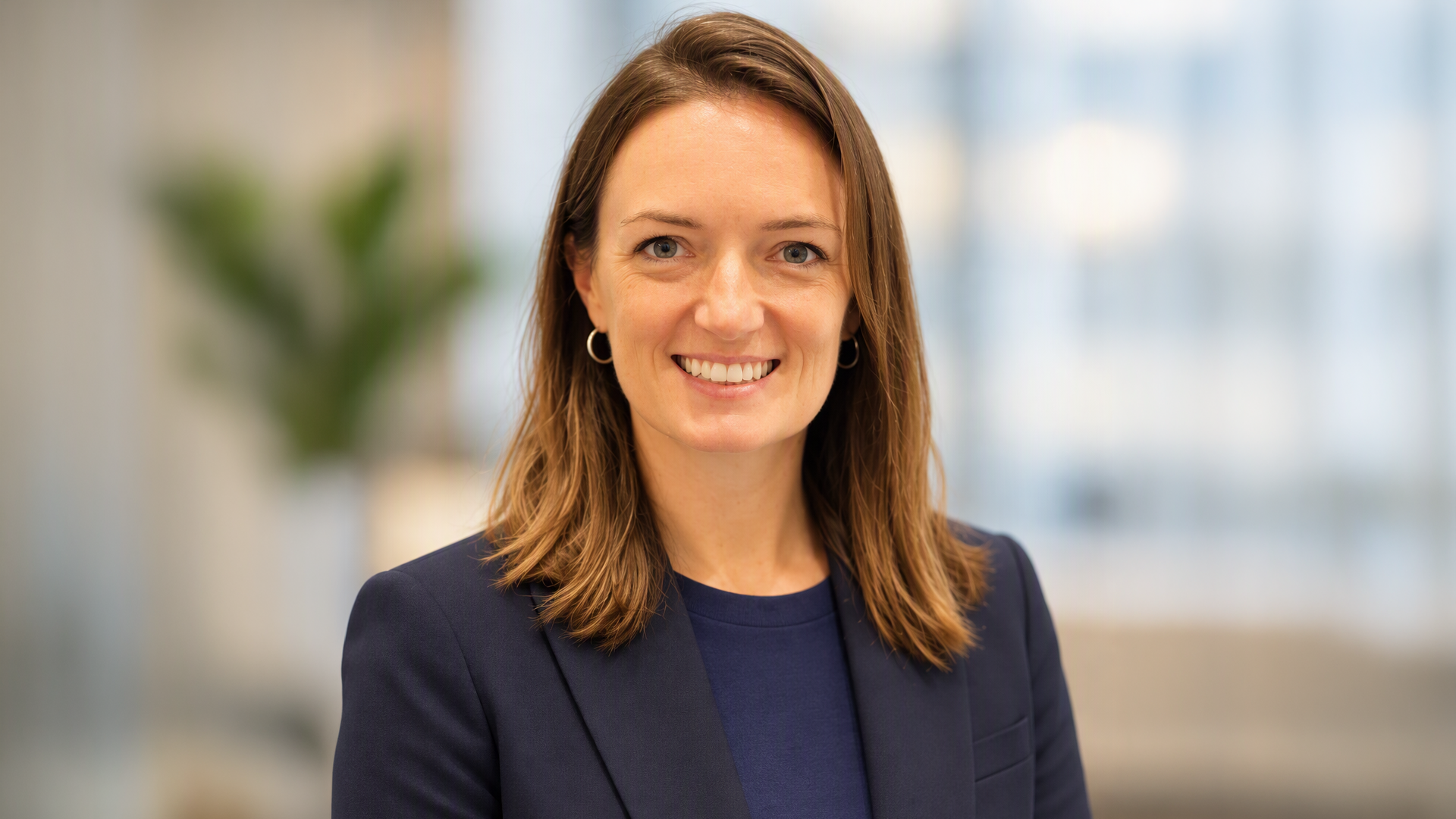
AxNano Names Alexis Wells Carpenter Chief Executive Officer as Company Enters Next Phase of Commercial…

As regulations tighten and public scrutiny around PFAS contamination increases, organizations are under growing pressure to move beyond temporary disposal solutions and adopt technologies that actually destroy PFAS—safely, reliably, and at scale.
In a recent AxNano-hosted webinar with partners General Atomics and Bay West, industry experts shared new data, case studies, and operational insights demonstrating why supercritical water oxidation (SCWO) is rapidly emerging as one of the most effective solutions for treating PFAS in both liquid and solid waste streams.
This post summarizes the key takeaways.
The Problem with the Status Quo
For years, PFAS waste has largely been managed through incineration, landfilling, or off-site disposal. These approaches come with significant drawbacks:
- High transportation and handling costs
- Growing regulatory and community opposition
- Risk of incomplete destruction and harmful byproducts
- Limited options for PFAS-laden solids like spent GAC and ion exchange resins
As PFAS regulations evolve, the need for on-site, closed-loop destruction technologies has become increasingly clear.
What Is Supercritical Water Oxidation (SCWO)?
SCWO is a high-temperature, high-pressure process that destroys PFAS in an aqueous environment above water’s critical point. Under these conditions, organic contaminants—including PFAS—are broken down at the molecular level rather than transferred elsewhere.
The result is true destruction, not dilution or relocation of risk.
Proven Results Across Liquids and Solids
During the webinar, AxNano and its partners shared results from 16 SCWO test runs conducted between October 2023 and June 2024, covering a wide range of PFAS-containing waste streams.
Key outcomes included:
- >99.9% destruction and removal efficiency for PFAS in both liquids and solids
- No detection of products of incomplete destruction, such as dioxins or furans
- Non-detect results for volatile fluorinated compounds in gas-phase analysis
These results reinforce SCWO’s reliability as a treatment method that meets both performance and regulatory expectations.
A Breakthrough in PFAS Solids Processing
One of the most significant advances discussed in the webinar was AxNano’s automated solids feed system, designed to handle PFAS-laden materials such as:
- Granular activated carbon (GAC)
- Ion exchange resins
- Other PFAS-contaminated solids and slurries
By improving feed consistency and particle management, the system:
- Increases throughput
- Reduces operating costs
- Enables longer, continuous run times
This innovation addresses a critical bottleneck in PFAS remediation—efficiently destroying solids at scale.
Cost and Operational Considerations
SCWO also offers compelling economic advantages when evaluated holistically:
- Estimated operating costs: $0.33–$0.70 per gallon, depending on waste characteristics
- Capital costs: Approximately $2.8 M–$3.5 M for a 3–4 GPM system
- Deployment flexibility: Fixed, skid-mounted, or mobile systems for on-site treatment
On-site SCWO deployment can significantly reduce transportation, liability, and long-term disposal costs compared to off-site alternatives.
Built for Today’s Regulations—and Tomorrow’s Contaminants
Beyond PFAS, SCWO has demonstrated adaptability for other emerging contaminants such as 1,4-dioxane and microplastics, making it a future-ready solution for evolving environmental challenges.
Ongoing pilot programs and longer-duration test runs are continuing to refine system design, cost models, and operational performance, with additional results to be shared in upcoming AxNano webinars.
Learn More: Download the Webinar Slides
For a deeper technical dive—including data charts, system diagrams, and case study details—you can download the full webinar presentation.
Related Posts